Headaches That Start in Your Neck: What You Need to Know About Cervicogenic Headaches
Headaches can be incredibly frustrating, especially when they keep coming back and you can’t quite figure out what’s triggering them. You might have tried getting more sleep, drinking more water, cutting down screen time or finding ways to manage stress, yet the headaches still seem to return.
Sometimes, the neck may be contributing to the problem. A cervicogenic headache is linked to structures in the neck and can produce pain that is felt in the head. Understanding this connection may help you make sense of your symptoms and decide whether it’s worth having them assessed.
What Does Referred Pain Have to Do With Headaches?
Referred pain is when you feel pain in one area even though the source may be somewhere else. This can happen because nerves from different parts of the body share and interact with some of the same pathways, making it difficult for the brain to pinpoint exactly where the pain is coming from.
The upper neck is closely connected to the nerves involved in processing pain from the head and face. Because of this, irritation or changes around the neck can sometimes be felt as pain in the head, which is one reason a headache from neck structures can occur.
How Can You Recognise a Neck-Related Headache?
There is no single symptom that confirms the source of a headache. However, certain patterns can be useful when discussing your symptoms with a healthcare professional.
Pain location
Pain may begin around the base of the skull or upper neck before spreading towards the forehead, temple or area behind the eye.
It may be felt predominantly on one side, although this is not always the case.
Neck movement and posture
Turning or holding the neck in a particular position may make the headache more noticeable.
Symptoms may appear after long periods at a desk, driving or looking down at a phone.
Neck symptoms
Reduced neck movement, stiffness or tenderness may occur alongside the headache.
The muscles around the neck, shoulders and base of the skull may also feel tight or sensitive.
Pain quality
The discomfort may feel like an ache or pressure rather than the pulsing sensation often associated with migraine.
Headache symptoms can vary considerably between people, so these features should not be used to self-diagnose a neck headache.
What Can Contribute to Neck-Related Headaches?
There isn’t always one obvious reason why the neck may be involved in a headache. Different structures, everyday habits and previous injuries can all play a role, and what matters for one person may not be relevant to another.
Facet joints: These small joints help your neck move smoothly. If one becomes irritated or its movement is restricted, it may contribute to pain that spreads towards the head.
Neck muscles: The muscles around your neck, shoulders and the base of your skull can become tight or sensitive, particularly after prolonged activity or repetitive movements. This may be one factor worth considering when headaches keep returning.
Posture and sustained positions: Spending hours at a computer, looking down at a phone or driving can leave your neck in the same position for long periods. Over time, this may place additional strain on the muscles and joints, although posture alone does not necessarily explain every headache.
Previous strain or injury: A past neck injury, sudden strain or change in physical activity may also be relevant. Looking at your history alongside your current symptoms can help determine whether the neck may be contributing.
Is It the Same as a Tension Headache?
Not quite. A tension headache is a different type of headache and is often described as a steady, pressing or tightening feeling around the head. You may also notice some tenderness or tightness through the neck, shoulders or muscles around the head.
That said, headaches don’t always fit neatly into one category. Different types can share similar symptoms, and some people experience more than one type. Looking at the overall pattern, including when the headache occurs and what seems to trigger it, can be more helpful than focusing on a single symptom.
Why Might General Headache Strategies Not Be Enough?
Getting enough sleep, drinking plenty of water, taking regular breaks from screens and finding ways to manage stress can all be helpful. But sometimes, even after making these changes, headaches continue to come back. That may be a sign that there are other factors worth looking into.
If you notice your symptoms after certain neck movements, long periods in one position or alongside neck stiffness, having the area assessed may be worthwhile. The right approach to headache treatment depends on what is contributing to your symptoms, and not every recurring headache is related to the neck. Migraines, tension-type headaches and other conditions can have similar features and may need a different type of care.
How Is a Neck-Related Headache Assessed?
Understanding the pattern of your headaches is an important part of working out what may be contributing to them. An assessment may include:
Your headache history: When the headaches started, how often they occur, where you feel the pain and how long they tend to last.
Possible triggers: Looking at whether certain movements, postures, work habits or activities seem to bring on or worsen your symptoms.
Other symptoms: Discussing things such as neck stiffness, reduced movement, muscle tenderness or any other symptoms that occur alongside the headache.
Neck and upper back assessment: Checking movement, stiffness, muscle sensitivity and how your symptoms respond to particular movements or positions.
Considering other causes: Headaches can have many possible causes, so the assessment also helps determine whether further medical assessment may be appropriate.
An individualised approach: At Tarneit Chiropractic & Sports, the findings can help guide whether chiropractic care is appropriate and what type of management may be considered.
What Treatment Options May Be Considered?
There isn’t one treatment that suits every headache. What may be recommended will depend on your symptoms, the assessment findings and whether the neck appears to be contributing. Depending on your situation, this may include:
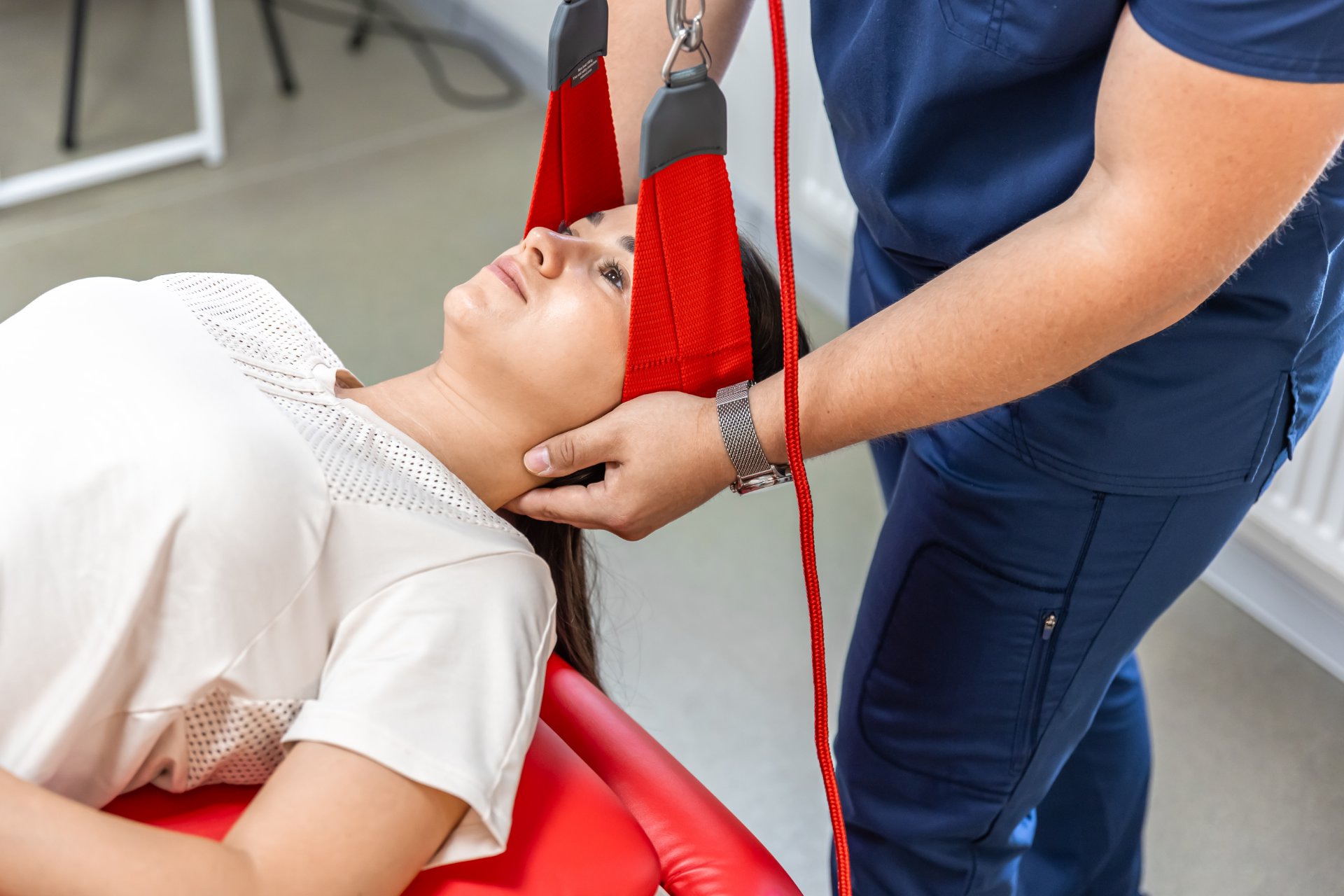
Manual therapy: Hands-on techniques may be used where restricted movement or muscle sensitivity appears to be contributing to your symptoms.
Exercise and rehabilitation: Exercises may be recommended to work on neck movement, strength and endurance, depending on what the assessment shows.
Soft tissue therapy: Hands-on techniques may be used around the neck, shoulders and upper back where muscle tension or sensitivity is present.
Posture and activity advice: Simple changes to your workstation, phone use, driving habits or movement breaks may be suggested if these appear relevant to your symptoms.
Referral when needed: If your symptoms don’t appear to be coming from the neck, or further investigation is needed, you may be referred to another appropriate healthcare professional.
The aim of headache relief isn’t simply to manage the discomfort. It’s also worth considering what might be contributing to the headaches in the first place. The right approach will depend on the individual and what the assessment shows.
What About Migraines and Other Headaches?
Not every headache is related to the neck. Migraines, for example, are a neurological condition and can involve symptoms such as throbbing pain, nausea, or sensitivity to light and sound. Some people may also experience neck discomfort around the same time, which can make the symptoms harder to distinguish.
Tension-type headaches can also involve the neck and shoulders, so there can be some overlap between different headache types. If your headaches are new, changing or happening more often, it is worth discussing them with an appropriate healthcare professional.
If you’re unsure what type of headache you’re experiencing, an assessment can help make sense of the symptoms and determine whether chiropractic care is appropriate or whether another form of care would be more suitable.
When Should You Seek Medical Assessment?
Most headaches are not caused by a serious condition, but some symptoms warrant prompt medical attention. Seek urgent medical care if a headache is sudden and severe, follows a significant injury, or occurs with symptoms such as weakness, confusion, fainting, difficulty speaking or significant changes in vision.
You should also discuss persistent, recurrent or changing headaches with an appropriate healthcare professional, particularly if they are interfering with work, sleep or everyday activities. A new pattern should not automatically be assumed to be a cervicogenic headache.
Headache Treatment in Tarneit: What to Expect
When headaches keep coming back, it can help to first understand what might be contributing to them. An assessment may look at your headache pattern, neck movement, posture and muscle tension, along with anything that seems to trigger or worsen your symptoms. From there, the next steps can be discussed based on what is found.
For people looking for headache treatment in Wyndham, including those in Tarneit, Werribee and nearby suburbs, having your symptoms properly assessed can be a useful starting point. If the neck appears to be involved, management may include exercises, hands-on treatment or practical advice around movement and daily activities.
What Can You Do Between Appointments?
There are a few simple things you can do day to day that may help you understand your headaches better and avoid spending too long in positions that leave your neck feeling uncomfortable:
Take regular movement breaks if you spend much of the day sitting at a desk.
Try not to keep your neck in the same position for long periods.
Notice whether certain activities, movements or routines tend to bring on your headaches.
Keep a simple record of when your headaches happen, how long they last and what you were doing beforehand.
Keep up with any exercises or advice recommended by your healthcare professional.
Speak with a healthcare professional if your headaches are new, changing or accompanied by other concerning symptoms.
Finding a Chiropractor for Headaches in Melbourne’s Western Suburbs
If you’re looking for a chiropractor for headaches in Melbourne’s western suburbs, it’s worth finding someone who takes the time to understand your symptoms rather than assuming every headache has the same cause. Your headache history, triggers, neck movement and other symptoms can all provide useful information.
At Tarneit Chiropractic & Sports, an appointment starts with a conversation about what you’ve been experiencing, followed by an assessment of the neck and upper back where appropriate. If your symptoms suggest that another healthcare professional or further investigation would be more suitable, this can also be discussed with you.
Getting Your Headaches Assessed
There can be many reasons why headaches keep coming back, and the neck is only one possibility. If you’ve noticed that your headaches seem to coincide with neck stiffness, certain movements or spending long periods in one position, it may be worth having these symptoms assessed.
At Tarneit Chiropractic & Sports, headache assessments are available for people in Tarneit, Werribee and surrounding western suburbs. You can book online at tarneitchiroandsports.com.au or call 0431 316 644 to discuss an appointment.
If you’re looking for headache relief, understanding what’s happening and when your symptoms occur can be a useful place to start. An assessment can then help determine what may be appropriate for you.
Frequently Asked Questions
1. What is a cervicogenic headache?
A cervicogenic headache is linked to structures in the neck. The pain may start around the upper neck or base of the skull and then spread towards the head. Not everyone experiences it in exactly the same way, so an assessment is important.
2. Can a headache come from the neck?
It can, in some cases. A headache from neck structures may occur alongside neck stiffness, reduced movement or muscle sensitivity. An assessment can help work out whether the neck appears to be contributing to your symptoms.
3. Is a neck headache the same as a migraine?
No. A neck headache and migraine are different types of headache, although some symptoms can overlap. If you’re unsure what you’re experiencing, a healthcare professional can assess your symptoms and advise on the next step.
4. Can tension headaches be related to the neck?
A tension headache can involve discomfort or tightness around the head, neck and shoulders. While the neck may be involved for some people, headaches can have several possible contributors, so it’s best not to assume the cause based on symptoms alone.
5. What does headache treatment involve?
The appropriate headache treatment depends on what may be contributing to your symptoms. Depending on the assessment, this could include exercises, hands-on care, movement advice or referral to another healthcare professional.
6. Where can I seek headache treatment in Tarneit?
If you’re looking for headache treatment in Wyndham, an assessment can help determine whether your neck or other musculoskeletal factors may be contributing. From there, you can discuss whether chiropractic care is appropriate for your symptoms.
7. How can I find a chiropractor for headaches in Melbourne’s western suburbs?
If you’re searching for a chiropractor in Melbourne’s western suburbs, look for someone who takes the time to understand your headache history, triggers and other symptoms. This can help determine whether the neck may be involved and whether chiropractic care is suitable.