Jaw Clenching, Neck Tension, and Headaches: The Connection You Might Be Missing
Take a moment to notice what your jaw is doing. Are your teeth pressed together, or are your jaw muscles relaxed? Many people clench their teeth while concentrating, driving or dealing with a stressful day without even noticing.
Occasional clenching is not necessarily a problem, but repeatedly holding your jaw tight may contribute to discomfort around your face, temples and neck. If you experience jaw clenching headaches, it may be worth paying attention to when the symptoms appear and whether they coincide with jaw tension.
How Jaw Tension Can Affect Your Neck and Head
Your temporomandibular joints, commonly called the TMJs, connect your lower jaw to your skull just in front of your ears. These joints work alongside several muscles that help you chew, speak and yawn throughout the day.
When you clench your jaw frequently, the muscles involved may become tired or sore. The muscles around your neck and shoulders can also feel tense, although the relationship varies between individuals. Understanding how these areas work together can help you recognise when jaw discomfort might be part of a wider pattern.
The Connection Between Jaw Clenching and Headaches
TMJ headaches is a term people often use when they experience headaches alongside symptoms involving the temporomandibular joints. Jaw-related problems may contribute to pain around the temples, cheeks or sides of the head, but headaches can have many different causes.
What Might Be Contributing to Your Symptoms?
Muscle tension: Repeated clenching can leave the muscles around your jaw feeling tired or tender.
Neck discomfort: Jaw tension and neck muscle discomfort may occur together, particularly during periods of stress or prolonged concentration.
Joint irritation: Some people experience tenderness, clicking or discomfort around the jaw joints.
Sleep-related clenching: Grinding or clenching during sleep may be associated with morning jaw soreness or headaches.
Stress: Periods of stress may coincide with increased jaw tension, although stress is not the only possible explanation.
Could Teeth Grinding Be Contributing to Neck Pain?
Some people grind their teeth or clench their jaws during sleep without being aware of it. This behaviour is known as bruxism. It can also occur while awake, particularly during concentration or stressful activities.
If you experience teeth grinding neck pain, consider whether you also wake with a sore jaw, notice tooth sensitivity or feel tension around your temples. These observations may be useful when discussing your symptoms with a dentist or another appropriate healthcare professional.
Signs You Might Be Clenching Your Jaw
Jaw clenching is not always obvious, especially when it happens during sleep or while you are focused on something else. However, there are a few patterns you can look out for.
Morning soreness: Your jaw or temples feel uncomfortable when you wake up.
Tender jaw muscles: The muscles around your cheeks or temples feel sore.
Tooth sensitivity: You notice sensitivity or your dentist identifies signs of tooth wear.
Clicking or restricted movement: Your jaw clicks, feels stiff or is difficult to open comfortably.
Recurring headaches: Headaches seem to coincide with periods of jaw tension.
Persistent neck tightness: Your neck feels tense alongside other jaw-related symptoms.
These signs do not confirm a particular condition. If they occur regularly, a professional assessment may help clarify what is contributing to them.
Simple Ways to Relax Your Jaw During the Day
You do not necessarily need to make major changes to your routine to become more aware of jaw tension. Start by noticing when you clench and giving your jaw opportunities to relax.
Habits Worth Practising
Keep your teeth apart at rest: When you are not eating, your teeth generally do not need to remain in contact.
Relax your shoulders: Check whether you are raising your shoulders or tightening your neck while concentrating.
Set gentle reminders: A reminder during work or driving can prompt you to check whether your jaw feels tense.
Take short breaks: Step away from your screen or task when possible and allow your face and shoulders to relax.
Notice stressful moments: Pay attention to whether clenching occurs during particular activities or situations.
Avoid forcing your jaw open: Keep jaw movements comfortable and avoid aggressive stretching if the area is sore.
What Is the Relationship Between Jaw Tension and TMJ Pain?
Jaw tension can occur with several conditions, including muscle overactivity and temporomandibular disorders. Some people experience tenderness without significant joint problems, while others notice pain when chewing, opening their mouth or yawning.
If you have TMJ pain, the location and pattern of your symptoms matter. A dentist or appropriately qualified healthcare professional can assess your jaw, discuss your symptoms and help determine whether further investigation or treatment may be appropriate.
When Should You Seek Professional Advice?
If jaw discomfort or headaches keep returning, interfere with eating or sleeping, or make it difficult to open your mouth comfortably, consider arranging an assessment. You do not have to wait until the symptoms become severe before seeking advice.
Sudden, severe or unusual headaches, particularly those accompanied by weakness, confusion, changes in vision or other neurological symptoms, require urgent medical assessment. New jaw pain accompanied by chest discomfort, breathlessness or sweating also needs urgent attention.
How Jaw Clenching May Be Addressed
When bruxism and headaches occur together, the appropriate approach depends on what is contributing to the symptoms. A dentist may assess tooth wear and discuss whether a professionally fitted dental splint is suitable. Other healthcare professionals may assess associated neck discomfort or other symptoms where appropriate.
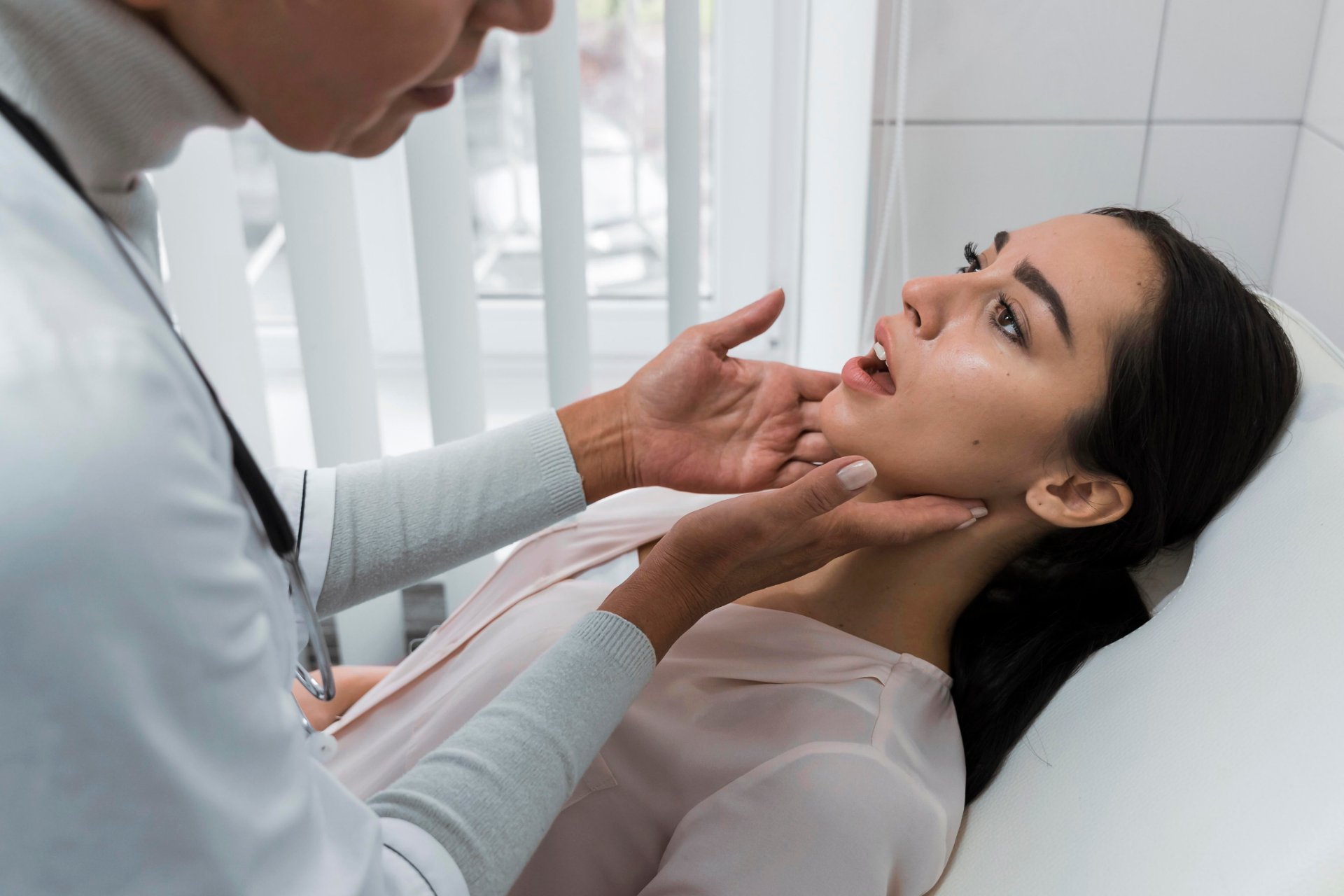
At Tarneit Chiropractic & Sports, an assessment may include discussing your symptoms, daily habits and neck movement. Depending on your presentation, a practitioner may discuss suitable conservative options, such as movement advice or exercises. Jaw symptoms that may have a dental cause should be assessed by a dentist.
Looking Beyond the Jaw
Jaw discomfort does not always occur in isolation. You might notice it alongside neck tightness after a long day at a computer, or during periods when you are sleeping poorly or feeling under pressure.
Looking at your symptoms as a whole can help you recognise patterns worth discussing with a healthcare professional. It is also important not to assume that every headache or episode of neck pain originates from the jaw, as other causes may need to be considered.
Support for Jaw and Neck Concerns in Melbourne’s Western Suburbs
For people in Werribee, recurring jaw discomfort or headaches can make everyday activities such as working, eating and sleeping more difficult. Noticing when symptoms appear and whether they coincide with clenching can provide useful information during an assessment.
If you are looking for headache treatment western suburbs, a healthcare professional can assess your symptoms and discuss appropriate options. Where jaw or dental symptoms are present, coordination with a dentist may also be helpful.
Chiropractic Support for Neck Tension
People in Point Cook who experience neck tightness alongside jaw discomfort may wish to discuss their symptoms with an appropriately qualified practitioner. An assessment can help explore whether neck movement, muscle tension or other factors may be relevant to their presentation.
If you are considering a TMJ chiropractor Tarneit, ask about the practitioner’s experience assessing jaw-related symptoms and how they work with dentists when needed. Chiropractic care may be considered for some associated musculoskeletal concerns, depending on individual assessment findings.
Book an Assessment at Tarneit Chiropractic & Sports
If jaw discomfort is occurring alongside neck tension or recurring headaches, an assessment may help you understand what could be contributing to your symptoms. Your daily habits, neck movement and symptom history can be discussed to help determine whether musculoskeletal care may be appropriate.
You can contact Tarneit Chiropractic & Sports on 0431 316 644 to enquire about an appointment, or book online through tarneitchiroandsports.com.au. If your symptoms suggest a dental or other medical concern, you may also be advised to seek assessment from the appropriate healthcare professional.
Frequently Asked Questions
Can jaw clenching cause headaches?
Repeated clenching may contribute to muscle tenderness and headaches in some people. Jaw clenching headaches can also have other contributing factors, so persistent or unusual headaches should be assessed rather than automatically attributed to the jaw.
What do TMJ-related headaches feel like?
Some people experience pain around the temples, cheeks or area near the ears alongside jaw discomfort. TMJ headaches may occur with jaw tenderness or difficulty opening the mouth, but these symptoms alone cannot confirm the cause of a headache.
Can teeth grinding affect my neck?
Teeth grinding can be associated with jaw muscle soreness, and some people also experience neck tension. If teeth grinding neck pain persists, consider discussing it with a dentist or healthcare professional who can assess your symptoms.
How can I tell if I am clenching my jaw?
You might notice that your teeth are touching when you are concentrating, or that your jaw feels tired when you wake up. Jaw tension may also occur alongside facial tenderness, although an assessment is needed to understand persistent symptoms.
Should I see a dentist for TMJ pain?
A dentist is a suitable starting point for jaw pain, tooth wear or difficulty chewing. TMJ pain may have different causes, and a dental assessment can help determine whether a splint or other treatment options should be considered.